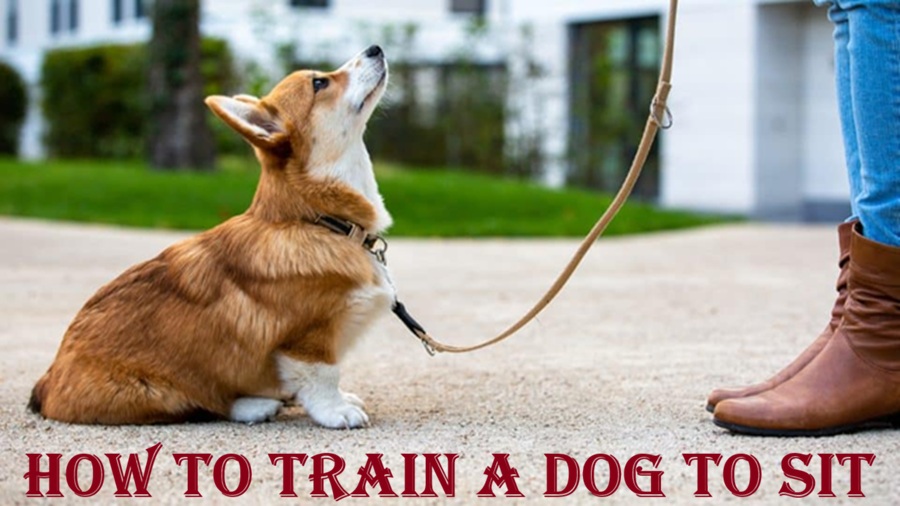
Introduction: How to Train a Dog to Sit
Training your How to Train a Dog to Sit down down is one of the maximum critical and foundational instructions every puppy proprietor ought to educate. Whether you’ve got were given a new domestic dog, an adult rescue dog, or a cussed breed, studying the way to educate a dog to sit builds scenario, improves verbal exchange, and strengthens the bond among you and your canine.
The “sit” command is frequently the number one obedience understanding taught because of the fact it’s far easy, powerful, and beneficial in ordinary existence. From greeting guests politely to geared up in advance than food, sitting is the basis of top canine manners.
Why Teaching Your Dog to Sit Is So Important
Teaching your canine to sit isn’t always pretty much obedience—it’s approximately safety, manipulate, and verbal exchange.
Key Benefits of Teaching “Sit”
- Improves obedience and vicinity
- Helps manage jumping and exhilaration
- Creates calm behavior in public places
- Builds accept as true with amongst canine and proprietor
- Forms the muse for superior training
- Encourages intellectual stimulation
A dog this is aware about a way to sit down is easier to manipulate during walks, vet visits, grooming, and social interactions.
When Should You Start Training a Dog to Sit?
Training Puppies
- Puppies can begin mastering as early as 7–8 weeks antique
- Training sessions want to be quick (5–10 minutes)
- Use gentle treats and excessive best reinforcement
Training Adult Dogs
- Adult dogs will have a study at any age
- Older puppies may want more endurance and consistency
- Rescue puppies might also moreover require be given as true with-building first
👉 Age is by no means a barrier at the equal time as reading the manner to educate a dog to take a seat.
What You Need Before Training Your Dog
Before you begin schooling, put together the right gear and environment.
Essential Training Items
- Small, clean canine treats
- A quiet, distraction-loose place
- A calm and incredible thoughts-set
- A leash (non-compulsory for manipulate)
- A clicker (non-obligatory however beneficial)
Best Training Environment for Teaching Sit
Choose an area wherein your canine feels comfortable and targeted:
- Indoors at domestic
- Quiet outside
- No loud noises or unique pets first of all
As your canine improves, you may workout in busy environments.
Step-via manner of-Step Guide: How to Train a Dog to Sit
1: Get Your Dog’s Attention
Hold a deal with near your dog’s nose in order that they attention on you.
2: Use the Lure Method
Slowly flow the address up and slightly again over your canine’s head.
As their head goes up, their backside simply lowers.
3: Say the Command
The moment your dog’s backside touches the floor, truely say:
👉 “Sit”
4: Reward Immediately
- Give the address
- Praise with a satisfied voice: “Good sit down!”
- Pet lightly
5: Repeat Consistently
Practice 5–10 repetitions in keeping with consultation, 2–3 times a day.
Dog Training Progress Record Table (Wicket Record Style)
| Training Day | Session Time | Dog Response | Treat Used | Success Rate |
|---|---|---|---|---|
| Day 1 | 5 minutes | Confused | Soft treats | 30% |
| Day 2 | 7 minutes | Improving | Chicken bits | 50% |
| Day 3 | 10 minutes | Responding | Liver treats | 65% |
| Day 5 | 10 minutes | Consistent sit | Mixed treats | 80% |
| Day 7 | 10 minutes | Command learned | Praise only | 95% |
👉 Keeping a education record desk lets in tune development and live steady.
Using Hand Signals Along with Verbal Commands
Dogs respond fantastically properly to hand alerts.
Popular Sit Hand Signal
- Palm going via up
- Move hand upward slowly
Eventually, your dog will sit without verbal instructions, this is useful in noisy areas.
How Long Does It Take to Train a Dog to Sit?
Training period depends on:
- Dog’s age
- Breed
- Consistency
- Previous schooling
Average Training Time
- Puppies: 3–7 days
- Adult puppies: 1–2 weeks
- Stubborn breeds: 2–three weeks
Consistency is more critical than pace.
Common Mistakes to Avoid While Training
1. Repeating the Command Too Often
Saying “take a seat, take a seat, sit down down” confuses your dog.
2. Training for Too Long
Long sessions cause frustration and boredom.
3. Punishing Your Dog
Punishment damages trust and slows learning.
4. Inconsistent Commands
Always use the identical phrase: “Sit”
Breed-Specific Tips for Teaching Sit
Small Breeds
- Short attention span
- Use tiny treats
- Be mild
Large Breeds
- Use calm, confident voice
- Avoid leaping within the route of schooling
Stubborn Breeds
- Increase praise fee
- Be greater patient
- Short, not unusual durations
Training a Dog to Sit Without Treats
Once your dog is familiar with the command:
- Gradually lessen treats
- Replace with verbal praise
- Use affection and playtime
This ensures your canine listens without looking for food every time.
How to Fix Problems If Your Dog Won’t Sit
1.Dog Keeps Jumping
- Ignore jumping
- Reward first-class whilst sitting
2.Dog Walks Away
- Use higher-fee treats
- Shorten training
3.Dog Lies Down Instead
- Reward partial take a seat down
- Adjust hand motion
Advanced Sit Training Techniques
- Sit and stay
- Sit earlier than meals
- Sit before crossing roads
- Sit at some point of greetings
The take a seat command turns into the basis of superior obedience.
Health & Safety Tips During Training
- Never strain your canine right into a sitting function
- Avoid education on slippery surfaces
- Stop if your dog shows soreness
- Consult a vet if mobility troubles exist
Benefits of Positive Reinforcement Training
- Builds self assurance
- Reduces anxiety
- Improves getting to know speed
- Strengthens owner-canine bond
Positive reinforcement is the most effective method for teaching the way to train a dog to take a seat.
Frequently Asked Questions (FAQs)
Q1. At what age have to I educate my canine to take a seat down?
Dogs can begin reading take a seat down at 7–8 weeks of age, but character puppies can examine every time.
Q2. How normally a day need to I teach my dog?
Train 2–3 brief education every day for first-class effects.
Q3. Can I teach my dog to take a seat without treats?
Yes, as quickly as positioned, you may update treats with reward and affection.
Q4. Why does my dog refuse to take a seat down?
Possible motives encompass distractions, pain, fear, or lack of motivation.
Q5. Is it good enough to push my canine right right into a sitting function?
No. Never strain your canine. This can cause fear or damage.
Q6. How long does it take to grasp the sit down down down command?
Most puppies look at inside every week with regular training.
Conclusion
Learning a way to train a dog to take a seat down is one of the most profitable memories for any canine proprietor. With patience, consistency, and outstanding reinforcement, every dog—regardless of age or breed—can preserve close this vital command.
The take a seat down command isn’t handiest a trick; it’s the basis of obedience, safety, and lifelong studying. Start education these days, stay normal, and enjoy a happier, greater disciplined accomplice.
Disclaimer
This article is for informational purposes only and does not replace professional dog training or veterinary advice. Training results may vary depending on a dog’s age, breed, health, and temperament. Always use positive reinforcement and consult a certified trainer or veterinarian if your dog shows behavioral or medical concerns.